Deckchair Birding: A Findhorn Bay Cabin Weekend for Winter Geese
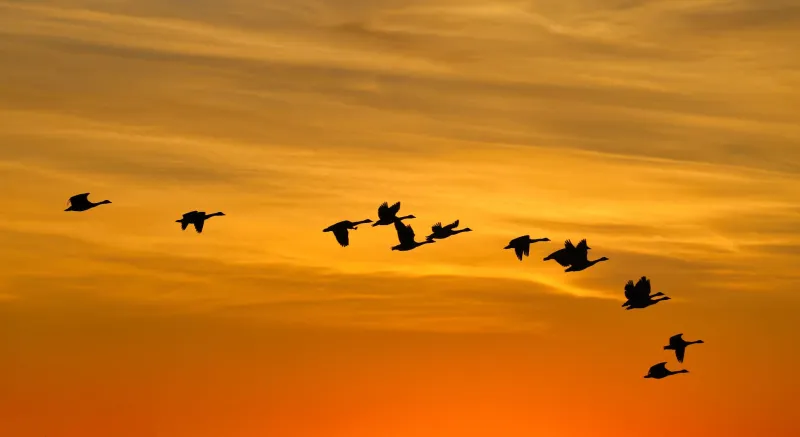
There is a particular sound to a Moray winter morning: a distant gabble that grows into a proper racket, then a rush of wings over the firth. You do not have to be a lifelong birder to enjoy it. You just need a warm cabin, an early alarm and a reason to stand still for twenty minutes.
Findhorn Bay is one of the easiest places in Scotland to build a wildlife weekend around. In late autumn and early winter, pink-footed geese arrive in numbers, commuting between roosts on the bay and feeding fields inland. Whooper swans turn up too, often looking far too large and elegant for the muddy flats they have chosen. The whole spectacle is free, un-ticketed and best viewed with a flask in hand.
Why Findhorn Bay Works for a Cabin Weekend
The bay is a sheltered mix of mudflats, saltmarsh and shallow water, with Culbin Forest acting as a windbreak on one side and the village of Findhorn sitting handily on the other. Birds gather here because the food is good and the disturbance is relatively low. Visitors gather here because the views are good and the cabin options are close enough to make a dawn outing feel like a short shuffle rather than a military operation.
You do not need to be an expert. If you can tell a goose from a swan and enjoy watching a lot of both, you are already qualified. Binoculars help, but a decent pair of eyes and a bit of patience will do more than a cupboard full of gear.
Timing Your Stay Around the Birds and the Tide
Late October through February is the window, with November and December often delivering the most reliable gatherings. Dawn and dusk are the key moments. Geese tend to leave the roost in the morning and return in the evening, so the edges of the day are when the bay feels busiest.
The tide matters more than most first-timers expect. High tide pushes birds closer to the shore and concentrates them on the remaining mud and water. Low tide spreads them out, which is lovely for a walk but less useful if you are hoping for a close-up. Check a local tide table before you book a cabin or plan a viewing session. A high tide at first light is the jackpot.
Weather is less critical. A clear, cold morning is magical, but a grey drizzly one can be just as good for birds and considerably quieter for people. Just dress for it.
A Simple Two-Night Itinerary
Friday: Arrive, orient, listen
Get to your cabin before dusk if you can. Drop the bags, find the kettle and take a short walk to the nearest bay viewpoint. You are not trying to identify everything. You are getting your bearings and listening. If the geese are already moving, great. If not, you have a reason to come back in the morning.
Eat something warm and local. Findhorn has options, and Forres is a short drive if you want more choice. Then set your alarm. Not aggressively early, just early enough.
Saturday: Dawn deck, coastal walk, optional dram
Start with the deck. If your cabin has any view towards the bay or the firth, sit outside for fifteen minutes with a mug of tea and watch what happens. You may see geese heading out in ragged lines, swans moving between pools, or nothing at all. That is the nature of wildlife. The point is the sitting.
After breakfast, head for a coastal walk. The beach between Findhorn and the Culbin Forest edge is a fine low-effort option, with big skies and a good chance of seeing more birds along the shore. Keep your distance from flocks on the sand and avoid pushing them into flight. A quiet observer sees more than a close one.
In the afternoon, you have a choice. You could head to Benromach Distillery in Forres for a tour, which makes a sensible rainy-day backup and a fine optional whisky stop. Book ahead, nominate a driver and keep it civil. Or skip the dram and spend the afternoon in Culbin Forest, where the pinewoods offer a completely different kind of quiet.
Return to the bay for dusk. This is the main event. Find a safe viewpoint, stay in your car or stand well back from the water's edge, and watch the geese come in. The noise builds, the lines form and the mudflats fill. It is one of those experiences that makes a November weekend feel like a clever idea.
Sunday: Slow start and one last look
Do not over-plan Sunday. Have a slow breakfast, take one last walk near the bay and leave before the afternoon rush. If you have time, a short stop at a reserve path or viewpoint on the way home is a nice way to bookend the trip.
Where to Watch Without Wrecking the Show
You do not need a special hide to enjoy Findhorn Bay. The village waterfront, the Kinloss side of the bay and the paths around the local nature reserve all offer legitimate viewpoints. Use car parks and marked paths, keep dogs close and leave drones at home. Disturbance is the one thing that can ruin a good roost for everyone, birds included.
If there is an open hide or viewing screen, use it. They exist for a reason. Otherwise, a pair of binoculars, a thermos and a bit of stillness will do the job.
Cabin Choices That Make the Most of It
Look for a cabin with a deck, a view or at least a decent window facing the right direction. A drying room or somewhere to hang wet coats is a bonus. So is a proper kitchen, because early starts are easier when breakfast does not involve a drive.
Book early for late-autumn weekends. This is not peak summer, but good cabins with a bit of character do get snapped up, especially around half-term and the run-up to Christmas. A two-night stay is enough for a taste. Three nights is better if you want to allow for a washed-out morning and still get your dawn fix.
Packing for Low-Effort Birding
Bring layers, a waterproof, wellies or sturdy boots, binoculars if you have them, a flask and a torch. A small bird book or a phone app is useful but not essential. Leave the camouflage at home. You are not on a covert operation; you are on a cabin weekend with geese.
The Last Honk
Findhorn Bay in winter is not a secret, but it still feels like one when you are standing on a cold shore at dawn with a flask and a hundred pink-footed geese coming over. A cabin makes it easy: warm base, short hop to the bay, no pressure to be anywhere else. Come for the birds, stay for the quiet, and go home with muddy boots and a new favourite noise.