Dook First, Dry Later: A Moray Wild-Swimming Weekend Built Around a Warm Cabin
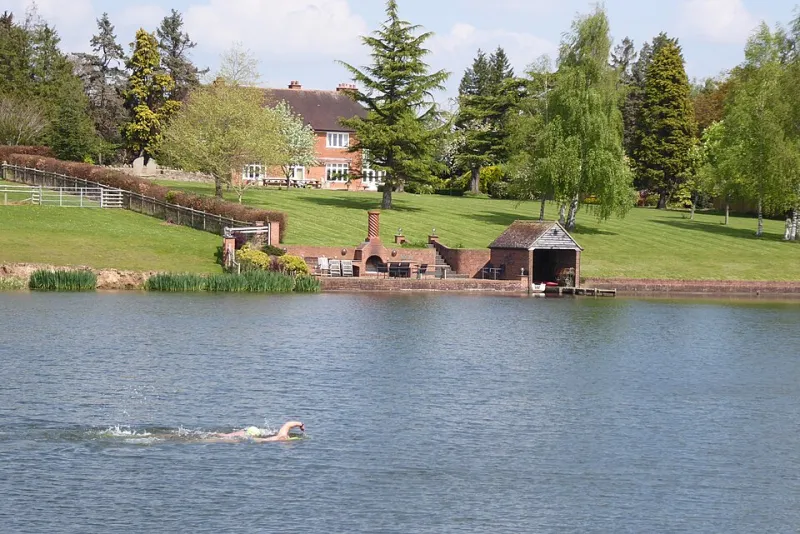
Photo: Philip Halling , CC BY-SA 2.0, via Wikimedia Commons
The best wild-swimming weekends are rarely the ones with the most swims. They are the ones where you get out, get warm, and still have enough energy for a walk and a proper dinner. Moray suits that rhythm well. You can dip in a sheltered loch in the morning, dry off over a bacon roll, and be back at the cabin before the damp has reached your socks.
This is a plan for people who want the swim to be part of the weekend, not the whole personality of it.
Pick the cabin for its drying space, not its view
A hot tub is lovely. A drying room is better. When you are booking a cabin for a swimming weekend, look for somewhere with a utility room, a covered porch, a boot rack, and radiators that actually work. Ask the owner directly: can we hang wetsuits? Is there an outside tap or hose? Is there a warm place to leave wet shoes overnight?
A cabin with a good hallway and a wood burner will beat a glass-fronted lodge with nowhere to hang a towel. If you are booking for 2026, make drying space part of your enquiry rather than an afterthought. It is the difference between a relaxed weekend and a car that smells of river for a fortnight.
What the water is actually like through the year
These are rough Moray figures, not promises. Local conditions change with wind, rain and depth.
- Winter (December to February): the sea sits around 4–7°C; small lochs can be colder still. Short dips only, for experienced swimmers, and never alone.
- Spring (March to May): the sea stays chilly at 6–10°C, while shallow lochs warm a little faster. May is often the sweet spot: cold but manageable, with long evenings.
- Summer (June to August): the Moray Firth reaches roughly 13–16°C and sheltered lochs can hit 15–18°C. This is the busiest season, so go early or late in the day.
- Autumn (September to November): early autumn is often the most pleasant swimming of the year, around 11–14°C, with quieter car parks and clearer water. By late November it is a quick dip and a fast retreat to the cabin.
Coast or loch? Two very different dips
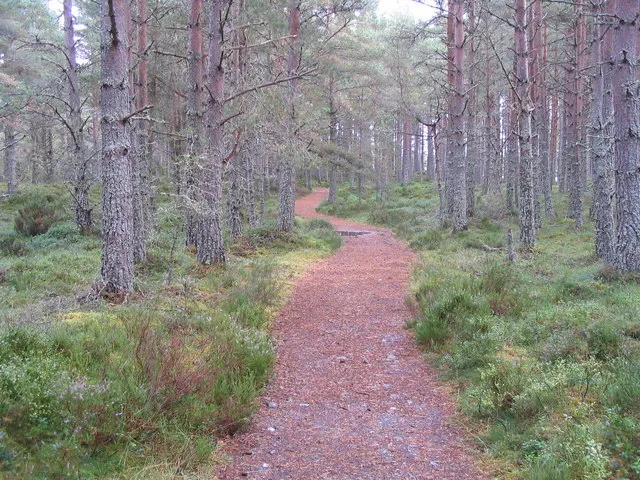
A forest loch gives you a softer entry, usually mud or gravel underfoot, and no tide to worry about. The trade-off is reeds, midges in summer, and the need to check access. The quieter lochs in the glens south of Moray can be magical, but go with local advice and respect any fishing or estate signs. If the water is green and soupy, or there is an algal bloom, swim somewhere else.
A Moray Firth beach is bracing in a different way. Findhorn, Roseisle and the Hopeman-to-Burghead stretch are the obvious starting points. The sea can look calm and still be cold enough to snatch your breath. River mouths, including the Findhorn and the Spey, can have strong currents, so keep well clear. Check the tide before you commit, and remember that most Moray beaches have no lifeguard.
Parking and access without annoying anyone
Moray's swim spots are not secret, but they are shared. Beach car parks at Findhorn and Lossiemouth fill early in summer. Forestry car parks around Culbin and Roseisle can be full by mid-morning. If a car park is full, drive on rather than parking on verges or blocking forestry gates. Passing places are not parking spaces.
Pay where payment is asked, keep dogs out of nesting areas in spring, and use the bins or take your rubbish home. A changing mat or a sheet of old tarpaulin by the car makes the whole business less visible and less messy.
The kit that earns its place
You do not need much, but you do need the right few things:
- A brightly coloured tow float, even on a short dip.
- Neoprene boots and gloves for anything below about 12°C.
- A swim hat and goggles that fit properly.
- A changing mat, a dry robe or large towel, and a second towel for the car.
- A flask of something hot and a waterproof bag for the wet kit.
- A headtorch in autumn and winter.
A wetsuit is optional, but if you are planning more than one swim in a weekend, it makes the second one far more appealing. Rinse everything at the cabin tap and hang it outside first, then move it to the drying room.
A weekend that does not overdo it
Friday: arrive, unpack, and take a short walk to stretch your legs. Check the water temperature and the weather forecast rather than squeezing in a swim because you have already paid for the cabin.
Saturday: pick one main swim. A morning dip at Findhorn or Roseisle, followed by a walk through Culbin Forest and a coffee stop, is a classic. Or head inland for a sheltered loch swim and a forest track walk, then spend the afternoon reading by the fire. One swim a day is plenty in cold water.
Sunday: a shorter dip, a slow breakfast, and a final short walk before the drive home. Leave the wet kit in a bag in the boot, not on the back seat.
Safety and the quiet stuff
Never swim alone. Enter slowly, keep your breathing steady, and know exactly where you are getting out. Do not drink alcohol before swimming. Check SEPA's bathing water results for designated beaches, and avoid swimming near blue-green algae or after heavy rain if the water looks murky. Cover cuts, and be aware of Weil's disease in freshwater.
Wildlife comes first. Keep your distance from seals, dolphins and birds. Do not swim towards them, and do not let a dog chase anything on the shore. If a seal is watching you, you are probably close enough.
Book the cabin that makes the wet bit easy
The swim is the memorable part. The cabin is what makes it repeatable. Choose somewhere with a drying room, a warm floor and a short drive to the water, and a Moray swimming weekend becomes something you would happily do again in the cold, the rain and the quiet months when the beaches are empty.