Leave the Car, Take the Bars: Three Moray Bike Rides That Start at the Cabin Gate
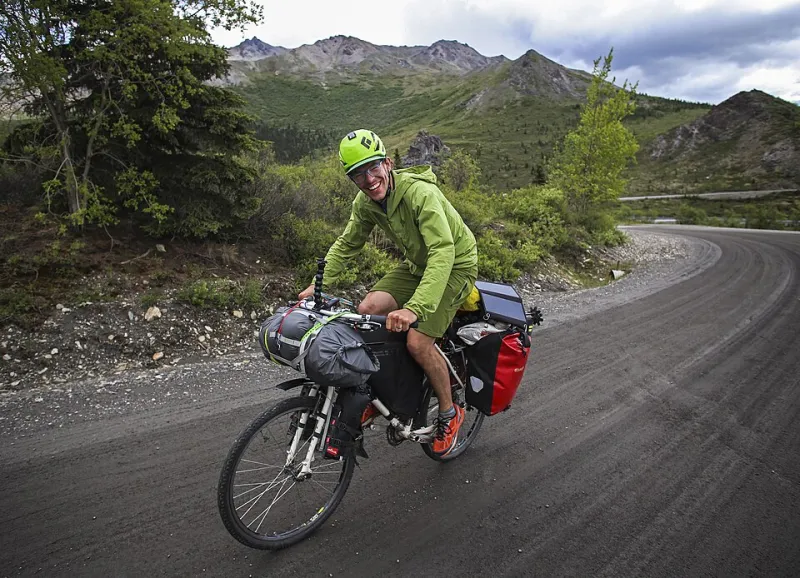
Photo: NPS Photo / Emily Mesner, Public domain, via Wikimedia Commons
There's a particular kind of morning that only happens on a cabin break: you wake up, the kettle goes on, and nobody has to negotiate a car park. That's the whole argument for basing a cycling day at the cabin door rather than loading the bikes onto the roof and driving forty minutes to somewhere famous.
Moray is quietly excellent for this. Between the pinewoods behind Findhorn, the lanes that hug the firth, and the tangle of side roads between Aberlour and Dufftown, you've got three genuinely different rides within reach of most cabin bases. None of them require a trail centre, a day pass or a full-suspension anything.
Route one: the forest shuffle
Where: Culbin Forest, between Forres and Findhorn. Distance: 12–18 miles depending how lost you get. Surface: compacted gravel, forestry track, patches of soft sand. Gradient: close to flat.
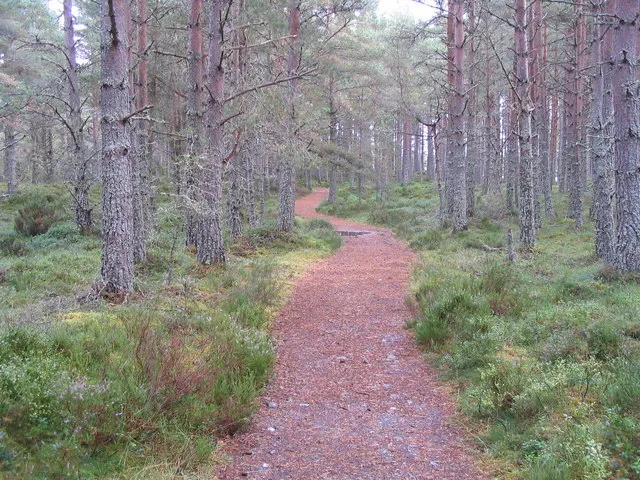
Culbin is a forest that shouldn't really exist — a huge dune system pinned down with pine after centuries of sand blowing across the farmland behind. On a bike it's a maze of wide, smooth tracks that never demand much from your legs, which makes it the obvious first ride of a trip. Take the waymarked trails as a skeleton and improvise from there.
The honest caveat: sand. After heavy rain, some of the lower tracks turn soft enough to bog a gravel bike, and the forest holds water longer than the open coast does. Leave it a day after a proper soaking. Also, the trails are shared with dog walkers and the occasional horse, so bell or voice on the blind corners.
Café stop: back into Findhorn for something hot, or head the other way to Logie Steading for a longer, more civilised lunch. Both are within an easy spin.
Route two: quiet lanes to the firth
Where: Findhorn–Burghead–Hopeman–Lossiemouth, following the signed national cycle route where you can. Distance: 25–35 miles as an out-and-back, less if you turn early. Surface: tarmac throughout. Gradient: rolling, with a couple of short, sharp ramps into Burghead and Hopeman.
This is the ride to do when the forecast is decent and you want sea air rather than shade. The lanes behind the coast are genuinely quiet — you'll spend more time nodding at dog walkers than watching for cars — and the views across the firth open up fast once you climb away from the shore.
Two things to know. First, the wind. Moray's prevailing westerlies mean the outward leg can feel suspiciously easy; budget for a grind on the way home, or ride it the other direction and enjoy the tailwind with tired legs. Second, do not be tempted onto the main trunk road to save time. The lane network is good enough that you never need to.
Hopeman's harbour is the natural halfway pause. Lossiemouth, further on, has more choice of cafés and a good chance of watching something interesting come into the harbour mouth. In summer, the coastal stretch near the towns gets busy with families and hire bikes — go early, or save this one for a shoulder-season weekday when it belongs to you.
Route three: the Speyside side roads
Where: Aberlour–Craigellachie–Dufftown–Glenrinnes–Edinvillie and back. Distance: 40–50 miles for the full circuit; easy to cut to 25. Surface: tarmac, with a few rough-edged patches. Gradient: properly rolling, with a couple of climbs that will make you regret the second breakfast.
This is the big day out, and the one that rewards a bit of planning. The roads between the distillery towns are narrow, beautifully surfaced in places and deeply unglamorous in others — exactly what you want from a side-road circuit. You'll pass warehouses, cooperages, a surprising number of pheasants and very few cars.
The climb out of Aberlour towards Edinvillie is the sting in the tail; save some legs for it. If you want to extend south into the hills, options open up towards Glenlivet and the Lecht, but be realistic about the extra climbing and the weather turning on the high ground.
For a bothy-style pause, there are benches and shelters scattered along the way, and if you're pushing further into the hills there's a genuine bothy at Ryvoan for those doing a much longer southern loop — basic, as bothies are, so don't rely on it for anything but a sit-down and a dry floor.
Bike storage, washing and the small stuff
Most Moray cabin owners have got wise to cyclists. Look for a lockable shed or outbuilding, a hose or outdoor tap, and ideally a drying room — the difference between a wet-weather week and a ruined one.
Don't store wet, salty bikes inside the cabin. The salt air along the coast will find every unpainted steel bolt you own, so a rinse after a coastal ride is worth the faff. But rinse gently: a bucket and a soft brush beat a jet wash, which will push water past bearing seals and cost you a bottom bracket. Dry the chain, re-lube, done.
Carry a spare tube even if you're tubeless, plus a small pump you've actually tested. Elgin and Forres both have bike shops for the things you forgot, but opening hours can be short at weekends out of season.
Timing your rides
- April to June and September to October are the sweet spots: long enough days, fewer people, decent ground.
- July and August bring the busiest tracks, especially around the coastal towns and Culbin's main car park. Ride before nine and you'll barely notice.
- Whisky festival weekends turn the Speyside lanes into a slow procession of visitors. Wonderful atmosphere, less wonderful cycling. Swap your days around.
- Late autumn and winter rides are quiet and beautiful but short — you'll want lights even at midday under the trees.
One last thing that catches out visiting riders: the midge. June through August, still damp evenings, forest edges — they'll find you the moment you stop. A headnet weighs nothing and saves a great deal of swearing.
Park the car on arrival, and you might not touch it again until you leave.