Frost, Firesides and Empty Trails: Why a Winter Cabin in Moray Beats the Summer Rush
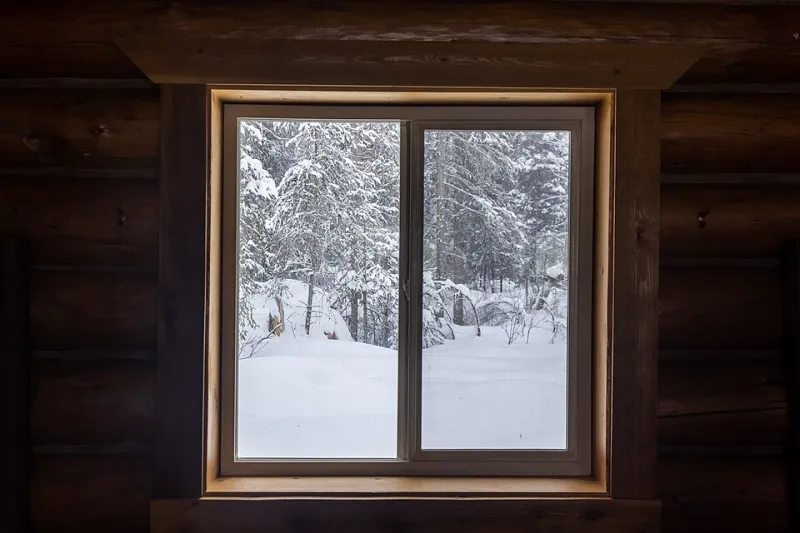
Photo: USFWSAlaska, Public domain, via Wikimedia Commons
Moray in winter has a reputation problem. People picture shut distilleries, sideways rain and a landscape that goes dark at 3.30pm. Some of that is true — the rain is real, and the light does fade early — but the payoff is a cabin break that feels quieter, cheaper and more local than anything July can offer. If you can embrace a bit of mud and a headtorch, the stretch from November to March is arguably the smartest window for a log-cabin stay in Moray.
As we head into winter 2026, the case is stronger than ever. Summer prices in Speyside and along the Moray Firth have crept up, while many cabin owners drop their midweek rates from late November to early March, excluding Christmas and New Year. You get the same forests, the same distilleries and the same big skies — just with fewer people and a better chance of having the trail to yourself.
The case for going off-season
Winter in Moray is not a write-off. It is a different kind of trip. The trails are quiet, the pubs have fires on, and the distilleries feel less like visitor attractions and more like working places. Cabin availability improves too: short-notice weekends become possible, and you are more likely to find a place with a wood burner and a view of bare trees rather than a car park full of campervans.
The weather is changeable, but that is part of the deal. A bright frosty morning on a Speyside forest track can be better than a drizzly day in June. The key is to plan shorter days, pack properly and treat the cabin as part of the holiday rather than just a bed.
What stays open
Most distilleries in Moray and Speyside run tours year-round, but winter hours are often reduced. Check ahead and book rather than turning up. Glen Moray on the edge of Elgin and Benromach in Forres are handy for shorter breaks, while the Aberlour and Craigellachie area gives you a dense cluster of whisky stops within a few miles. Several distilleries have cosy tasting rooms and firesides, which makes a winter visit feel less rushed.
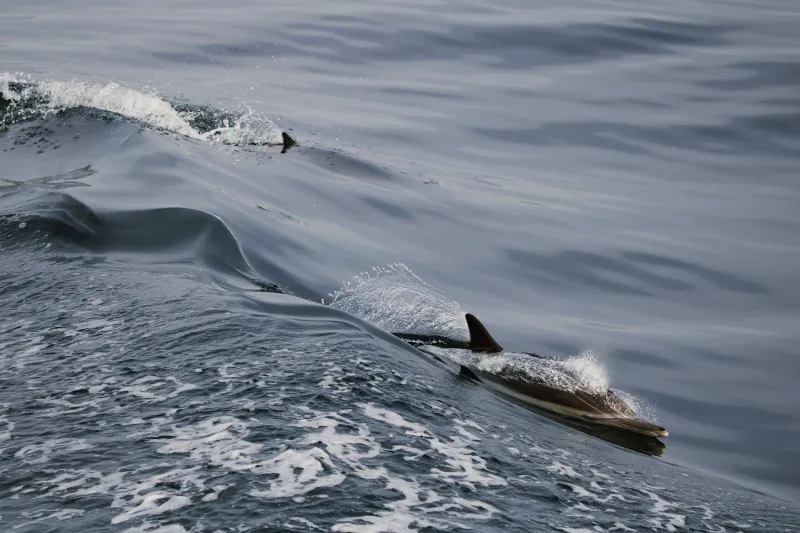
Walks stay open all year, obviously, but some visitor centres and cafes run seasonal hours. The Scottish Dolphin Centre at Spey Bay is seasonal, so check before building a day around it. Elsewhere, carry snacks and a flask, and do not assume the nearest cafe will be open at 4pm on a Tuesday in January.
Walks that work in low light
Think short loops, forest tracks and riverside paths rather than high moorland. Linn Falls at Aberlour is a manageable woodland walk with a waterfall payoff, and it works well when the daylight is short. Sections of the Speyside Way between Aberlour and Craigellachie are easy to shorten if the weather turns. Forest tracks around Ben Aigan give you shelter from the wind, and the Moray Coast Trail near Findhorn or Lossiemouth offers brighter coastal light when the inland woods feel gloomy.
A good winter rhythm is to start by 10am and aim to be back by 3pm. Carry a headtorch even on a short walk, tell someone your route, and wear boots with grip — leaf litter and wet roots are more slippery than they look. Low light is not a reason to stay indoors, but it is a reason to be sensible.
Packing for four seasons in one day
Moray in winter can serve up frost, sun, sleet and a mild afternoon in the same walk. Pack layers rather than one heavy coat: a base layer, a warm mid-layer and a waterproof shell. Add waterproof trousers, sturdy boots, spare socks, gloves, a hat and a thermos. A power bank for your phone is useful if you are relying on maps, and a small torch or headtorch is essential.
For the cabin, bring slippers, an extra jumper and maybe a hot-water bottle. If you have booked a place with a wood burner, ask whether logs are included or available locally. Check the access track before you arrive — some rural cabins are down unsigned farm tracks that are fine in daylight and less fun in the dark.
A sample two-night winter plan around Aberlour
Day one: Arrive by lunchtime, settle into the cabin and head out for a short afternoon walk to Linn Falls. Keep it gentle — you have driven, the light is fading and the point is to unwind. Book a late-afternoon distillery tour in Aberlour or Craigellachie, then return to the cabin for a simple supper and a fire.
Day two: After a slow breakfast, walk a section of the Speyside Way towards Craigellachie and back. It is a straightforward riverside route with options to turn around whenever you like. Have lunch in Aberlour, then choose your afternoon: another distillery tour, a browse around a local shop, or a nap by the fire. In the evening, drive a short way to a village pub or cook in the cabin.
Day three: Take a final short forest walk — something like a loop near Aberlour or a nearby woodland track — then head home. If Elgin is your base instead, swap in Glen Moray, a wander around Elgin Cathedral and a shorter section of the Moray Coast Trail.
Booking smart for winter
Book direct where you can, and ask about winter heating, log supplies and whether the access road is gritted. Midweek stays from late November to early March usually offer the best value, and many owners are more flexible about short-notice bookings. Check the cancellation policy: winter weather can affect travel, and a bit of flexibility is worth paying for.
Above all, lower your expectations of long days and raise them for cosy ones. A winter cabin in Moray is not about cramming in sights. It is about a frosty walk, a warm distillery tasting room, a fish supper eaten indoors while the wind rattles the windows, and the feeling that the forest belongs to you.