Cast, Pause, Kettle: A Beginner's Fly-Fishing Weekend on the Spey
Photo: beginner fly fishing River Spey Scotland cabin weekend, via www.shutterstock.com
Fly fishing has a reputation problem. The image is all tweed, expensive rods and solemn silence. The reality on the River Spey, especially for a first-timer, is much friendlier: a patient ghillie, a decent chance of a cast that goes roughly where you intended, and a cabin with a kettle waiting at the end of it. The point of a Moray cabin break built around a beginner's day on the water isn't to come home with a salmon. It's to learn something new in beautiful surroundings, then warm up properly.
Why the Spey works for a first cast
The Spey is broad, varied and famous for the cast that carries its name. That doesn't mean you need to master Spey casting before you arrive. It means the river has a long history of teaching people how to use its water, and there are instructors and ghillies who are used to complete beginners. You don't need to be fit, experienced or dressed like a catalogue model. You need to listen, be willing to laugh at yourself and keep your expectations small.
A first day is about learning where to stand, how to swing a fly and why the river behaves the way it does. If a fish turns up, that's a bonus. If it doesn't, you've still spent a morning in one of Scotland's great river valleys.
Pick a cabin that earns its place
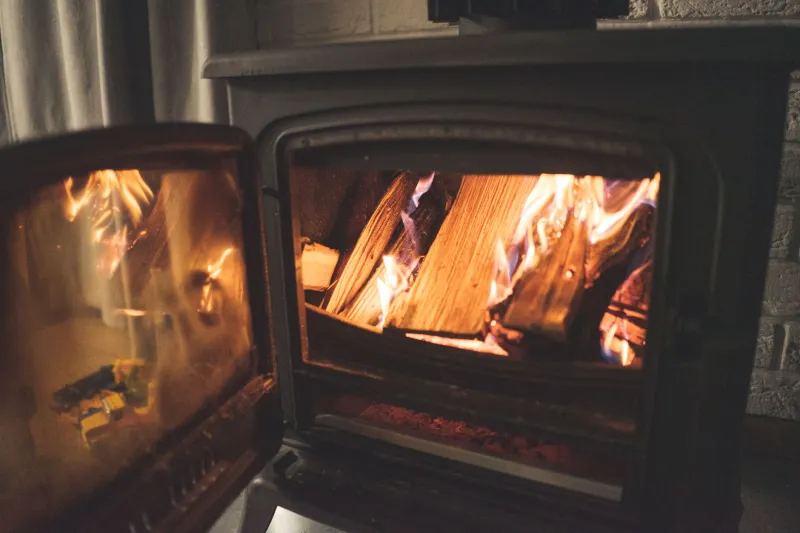
Base yourself in the Spey corridor: Aberlour, Craigellachie, Rothes, Archiestown or Grantown-on-Spey all work well. Look for a cabin with parking, a wood burner and somewhere to hang wet kit. A drying room is gold; a radiator and a clothes horse will do. Ask before you book, because nothing dulls a fishing weekend faster than damp waders in a cold porch.
Proximity to a specific beat matters less than you might think. A 20-minute drive to the water is normal in Moray, and your ghillie will tell you where to meet. What matters more is coming back to somewhere warm, quiet and equipped for a slow evening.
Lessons, ghillies and the licence question
First, the paperwork. In Scotland you don't need a national rod licence, but you do need a permit for the water you're fishing. For salmon and sea trout on the Spey, book through the Spey Fishery Board or a local angling association; a ghillie will usually arrange this as part of the day. Rules change with the season, so check catch-and-release requirements when you book rather than assuming.
A beginner's session with a qualified instructor or ghillie is worth every penny. Tell them clearly that you've never cast before. They'll provide kit or tell you exactly what to bring. Book ahead, especially at weekends and during the warmer months. A half-day lesson is often enough for a first taste; a full day can be brilliant but tiring.
Kit: hire first, buy later
Don't buy a double-handed rod before you've had a lesson. A good introduction session includes rod, reel, line and often waders. Wear warm layers, a waterproof and polarised sunglasses. Bring a net and forceps if you have them; otherwise ask. A flask and a sense of humour are non-negotiable.
If you catch the bug, buy afterwards, not before. Local tackle shops and instructors can point you towards sensible second-hand kit or entry-level outfits that won't gather dust.
The day itself
Expect to spend more time watching than casting at first. Your ghillie will show you where to stand, how to read a pool and why the fly swings the way it does. Lunch is often a sandwich on the bank. If the fish aren't interested, you'll still learn more in a morning than a year of videos.
Dress for the weather and accept that your hands will get cold. Take breaks. The best beginners are the ones who ask questions and stop before they're exhausted.
When the fish aren't biting
Fill the rest of the weekend with the things Moray does well. Walk a section of the Speyside Way. Visit a distillery in Aberlour or Craigellachie. Look for red squirrels, dippers and, in season, ospreys. Return to the cabin, light the fire and cook something simple.
This is the real advantage of a cabin base: the fishing is part of the weekend, not the whole test. A cancelled day on the water becomes a forest walk and a long lunch rather than a disaster.
A sample weekend
Friday: arrive, unpack, take a short walk to stretch your legs, eat early and sleep well.
Saturday: meet your ghillie or instructor in the morning, fish or practise through lunch, then spend the afternoon on a distillery tour or a riverside walk. Back to the cabin for a fire and an early night.
Sunday: slow breakfast, a short forest or river walk, then home. No heroics.
Practical notes
Check season dates before you book. Salmon fishing on the Spey is seasonal, and by November the main season has closed, so use the darker months to plan a spring or summer trip. Midges are a summer issue; pack repellent. Book cabin and lesson together if you can, and tell your ghillie your experience level in advance.
The best first fishing trip is the one where you come back warm, slightly humbled and already planning the next cast. A Moray cabin gives you that soft landing.