The Moray Cabin Year: When to Book for 2026 and When to Hang Back
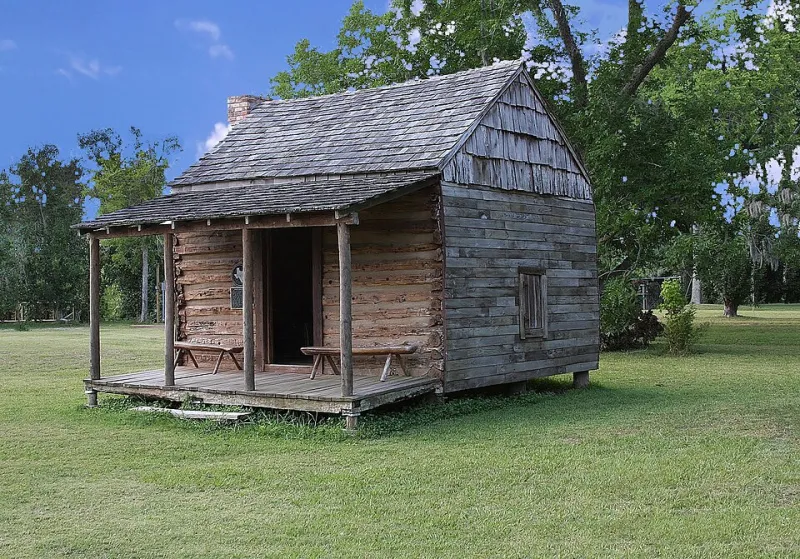
Photo: Jim Evans, CC BY-SA 4.0, via Wikimedia Commons
Every year we field the same two questions in slightly different words: "Is it too early to book?" and "Is it too late?" The honest answer is that it depends entirely on which week you're eyeing. Moray's cabin market isn't uniformly busy — it's a year with a handful of hard chokepoints and a lot of soft, underrated space in between. Here's how 2026 shapes up.
The pattern in one paragraph
Four things drive demand: school holidays, bank holiday weekends, the whisky calendar and the weather window that everyone wants but nobody can predict. Get those four aligned and you're competing for the same forty cabins as everyone else in Britain. Dodge them and you'll find availability, better prices and quieter tracks. The skill is knowing which is which before you commit.
January and February: the short-notice window
Genuinely the quietest stretch. Cabin owners would rather have a booking than an empty weekend, so prices soften and short-notice availability is normal — a week or two ahead is often plenty.
It's cold, dark and often wet, but the trade-off is real: empty forest tracks, fires lit by three o'clock, and a decent chance of snow on the higher ground behind Dufftown. February half-term is the exception. That week fills faster than you'd expect, so if you need school-holiday dates, book three to four months out rather than six weeks.
Wildlife note: this is pine marten and red squirrel season at the bird feeders, and the best time to see them is the worst weather.
March and April: Easter is the first real pinch point
March is still soft. April is not. Easter moves around, and in 2026 it lands early enough to compress the spring demand into a short burst — expect the fortnight around it to be the first genuine sell-out of the year. Aim to have Easter booked by autumn 2025 if you want specific dates; failing that, look a week either side and you'll find the pressure drops away sharply.
Spring is when the distillery visitor centres come properly back to life after winter hours, and the glens start to look less like a photograph of a moor and more like somewhere you'd want to walk. Ospreys return to the area around this time too, and the first proper wildflower weeks arrive in the woods.
May: two bank holidays and a festival problem
May looks empty on paper and isn't. Two bank holiday weekends soak up much of the short-break demand, and the Speyside whisky festival — usually early in the month, though it's worth checking the organiser's own 2026 dates rather than trusting any blog, including this one — turns the distillery towns into somewhere you'll want to book dinner well in advance.
If you're coming for the festival, book accommodation the moment dates are confirmed. If you're coming to avoid it, that same week is actually a lovely time to be on the coast, where the crowds thin out considerably.
June: the long-light month
Often the best-value warm-weather month, and the one people overlook because it isn't the school holidays. Daylight runs late, the coastal lanes are dry, and the midges have arrived on the forest edges but not yet in force.
Book six to eight weeks ahead for a good choice of cabins; three months if you're fussy about a specific property. Distillery tours are in full swing, so book tastings separately — accommodation availability and tour availability are two different problems.
July and August: the one you can't wing
Peak. School holidays, the best chance of dry weather and the most expensive weeks of the year, all at once. Good cabins go six to nine months ahead, and the leftovers by June are usually leftovers for a reason — or priced accordingly.
Two alternatives worth considering. First, shift to the last week of August, when Scottish schools return earlier than English ones and the market loosens noticeably. Second, accept the crowds and book early, but plan your days around them: walk at seven, be back for breakfast, and leave the popular car parks to everyone else.
Midges are a genuine factor now. Smidge, a headnet, and a willingness to sit in the breeze rather than the shelter of the trees will transform your evenings.
September and October: the sweet spot
The best all-round window of the year, and the one we'd pick ourselves. Still light enough for long walks, quiet enough to have a track to yourself, warm enough that the cabin fire is a pleasure rather than a necessity.
October brings the red deer rut and, later in the month, the huge arrival of pink-footed geese on the firth — one of the great wildlife spectacles of the British autumn, and free.
Book four to eight weeks out. Autumn half-term is the exception and behaves like a mini-August; three months ahead for that one.
One practical caution for autumn: estate stalking takes place on some hills through the season. Access rights still apply on most land, but checking estate notices and sticking to advised routes is both polite and sensible.
November: the honest bargain
Darker, wetter, cheaper. Availability is wide open with two to three weeks' notice, and cabin owners are receptive to a conversation about a midweek break. If you're here for walking, expect mud and short days; if you're here for the fire, the whisky and the star-filled skies over the firth, it's close to perfect.
Distillery opening hours tighten at this time of year, and some smaller sites close for maintenance entirely. Check before you plan a trail around them — nothing sours a day like arriving at a locked gate.
December, Christmas and Hogmanay
Split this cleanly. Early December is quiet and cheap. The Christmas and New Year weeks are the single most competitive booking of the year, and cabins with a wood burner and space for six go first — often a full year ahead for repeat guests.
Also be realistic about what's open. Many distilleries and cafés close between Christmas and New Year, shops run reduced hours, and the daylight gives you roughly seven hours of usable afternoon. Plan a stay around the cabin rather than around a list of visits.
The short version
- Book 6–9 months ahead: Easter, July, August, Christmas and New Year.
- Book 3–4 months ahead: half-terms and bank holiday weekends.
- Book 4–8 weeks ahead: May, June, September, October.
- Book 1–3 weeks ahead: January, February, November, early December.
If your dates are fixed by school or work, book early and accept the price. If they're flexible, aim for late September or the first half of June and you'll get better weather than you deserve, quieter trails and a cabin that costs less than the same one in August.